Perfect Companion Plants For Your Parlor Palm
Parlor palms are a popular houseplant for good reason. They're easy to care for, they add a touch of tropical flair to any space, and they can grow quite large, making them a great statement piece. But if you're looking to add some other plants to your parlor palm's corner, you'll want to choose companion plants that have similar care requirements.
Here are a few of the best companion plants for parlor palms:
- Peace lily (Spathiphyllum): Peace lilies are another easy-care houseplant that prefers bright, indirect light and moist soil. They're also known for their air-purifying properties, which can help to improve the quality of the air in your home.
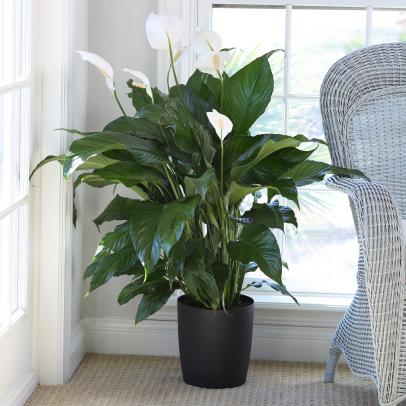
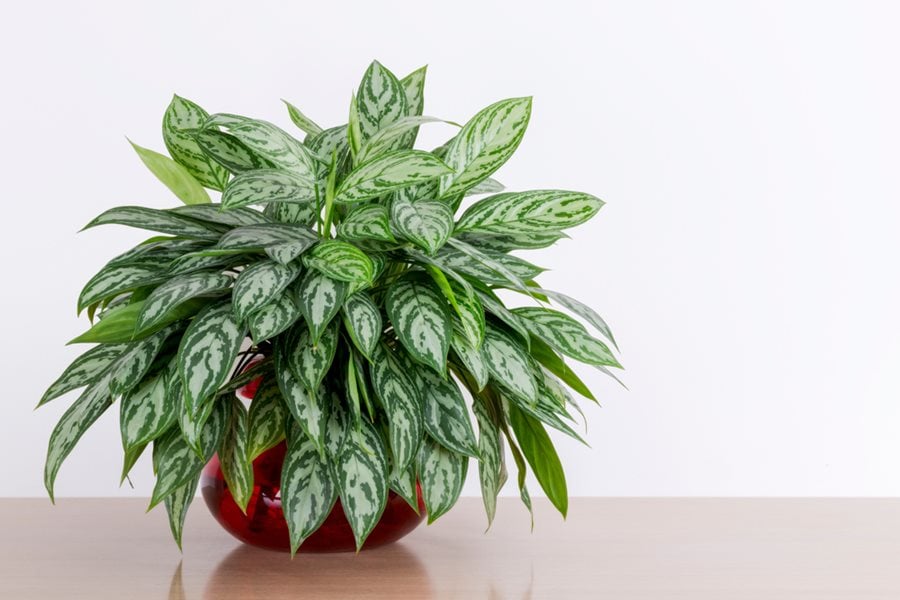
- Chinese evergreen (Aglaonema): Chinese evergreens are another low-maintenance plant that can tolerate a wide range of conditions. They come in a variety of leaf colors, so you can find one that perfectly complements your parlor palm.
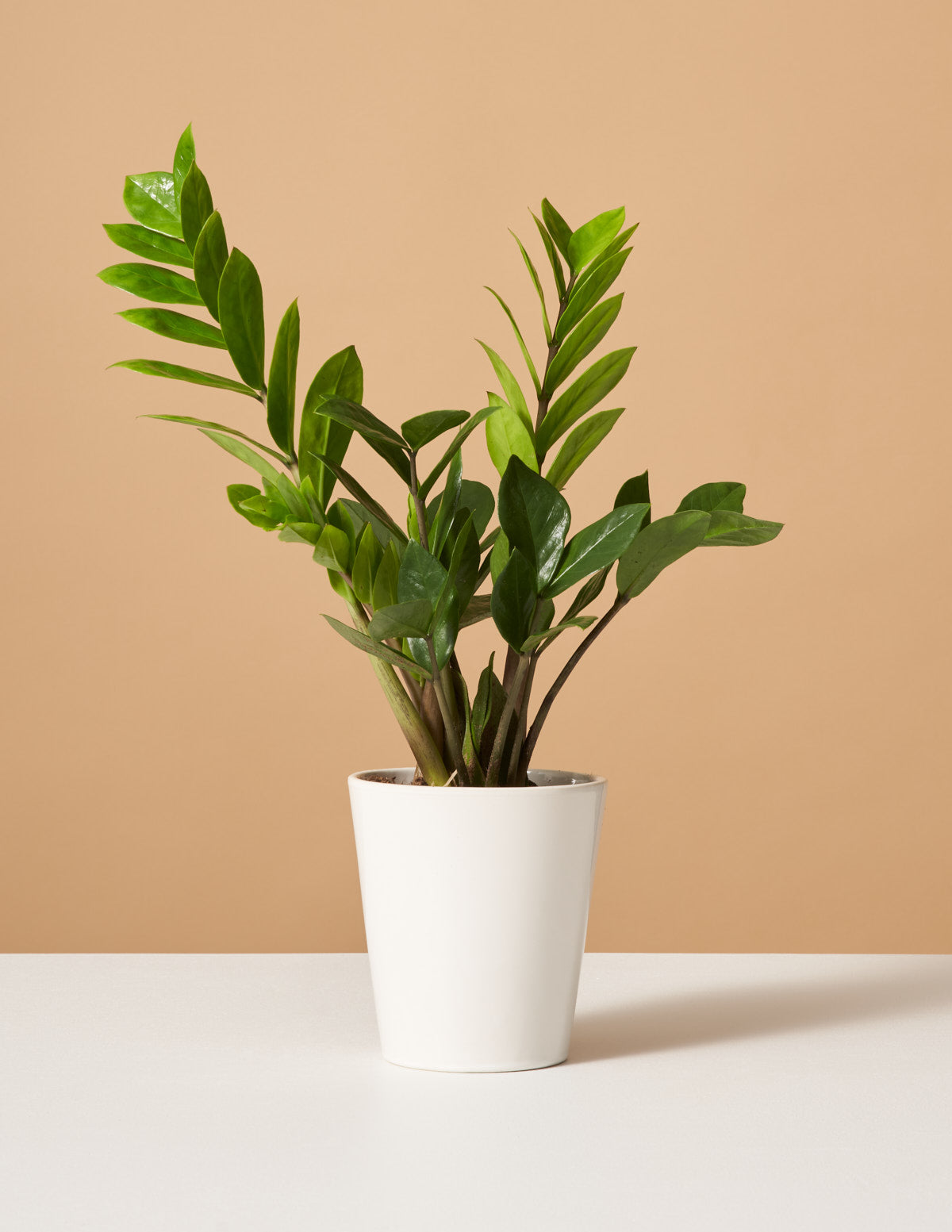
- ZZ plant (Zamioculcas zamiifolia): ZZ plants are known for their drought-tolerant leaves, which means you don't have to worry about overwatering them. They also prefer low light, making them a good choice for rooms that don't get a lot of natural light.
- Snake plant (Sansevieria): Snake plants are another hardy plant that can survive in low light and infrequent watering. They're also known for their air-purifying properties.
- Spider plant (Chlorophytum comosum): Spider plants are easy to propagate, so you can easily fill your space with these low-maintenance plants. They also produce small white flowers, which can add a touch of sweetness to your home.
- Fiddle-leaf fig (Ficus lyrata): Fiddle-leaf figs are a popular choice for indoor trees, and they can grow quite large if given enough space. They prefer bright, indirect light and moist soil.
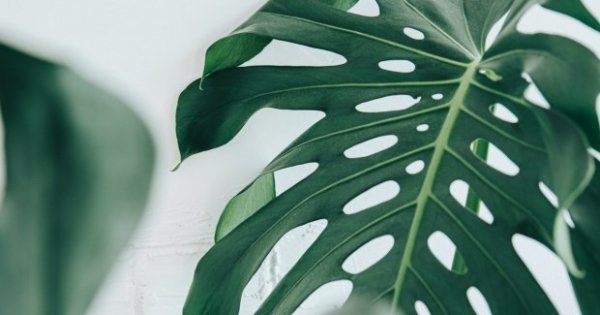
- Monstera (Monstera deliciosa): Monsteras are another popular choice for indoor plants. They have large, distinctive leaves that can add a touch of tropical flair to any space. They prefer bright, indirect light and moist soil.
- Prayer plant (Maranta leuconeura): Prayer plants are known for their leaves that fold up at night, which is why they're sometimes called "prayer plants." They prefer bright, indirect light and moist soil.


When choosing companion plants for your parlor palm, it's important to consider the size of the plant, its light and water requirements, and its overall appearance. By choosing plants that have similar care requirements, you can help to ensure that your plants will thrive.
Parlor palms are beautiful and easy-to-care-for houseplants that can add a touch of tropical elegance to any space. But did you know that they can also benefit from being planted alongside other companion plants?
The right companion plants can help to improve the parlor palm's growth and health, as well as add visual interest to your arrangement. Some good options include:
- Kentia palm: This large, slow-growing palm has wide, feathery fronds that complement the parlor palm's slender, arching leaves. Gardenia Inspiration
- Cheese plant (Monstera deliciosa): This popular houseplant has large, glossy leaves with distinctive holes and slits. It can grow quite large, so make sure to give it plenty of space.
- Sweetheart plant (Philodendron scandens): This elegant vine has heart-shaped leaves that can be trained to climb up a moss pole or other support.
- Calathea orbifolia: Also known as the peacock plant, this tropical beauty has luxurious, slightly curled leaves with subtle color stripes.
For more information about parlor palm companion plants, please visit Gardenia Inspiration. You'll find a comprehensive list of plants that are compatible with parlor palms, as well as tips on how to create a beautiful and thriving plant arrangement.
FAQ of parlor palm companion plants
Q1: What are some good companion plants for parlor palms?
A: Parlor palms are relatively low-maintenance plants that can thrive in a variety of conditions. They are also relatively pest- and disease-resistant. Some good companion plants for parlor palms include:
- Other types of palms, such as the Kentia palm, Areca palm, and Rhapis palm. These plants have similar growing conditions and can help to create a tropical oasis in your home.
- Air plants. Air plants are epiphytes, which means they don't need to be planted in soil. They can be attached to a piece of wood or driftwood and placed near your parlor palm.
- Philodendrons. Philodendrons are a type of tropical vine that can add some height and interest to your plant arrangement. They prefer the same warm, humid conditions as parlor palms.
- Snake plants. Snake plants are another low-maintenance plant that can tolerate low light conditions. They can help to add some contrast to your plant arrangement.
- Spider plants. Spider plants are known for their air-purifying qualities. They are also relatively easy to care for and can tolerate a wide range of conditions.
Q2: What are the best conditions for parlor palms?
A: Parlor palms prefer bright, indirect light. They can tolerate some direct sunlight, but too much sun can scorch their leaves. Parlor palms also prefer warm, humid conditions. The ideal temperature range for parlor palms is 65-85 degrees Fahrenheit.
Q3: How often should I water my parlor palm?
A: Parlor palms should be watered when the top inch of soil is dry. During the winter, you may need to water your parlor palm less often. It is important to avoid overwatering your parlor palm, as this can lead to root rot.
Q4: How do I fertilize my parlor palm?
A: Parlor palms should be fertilized once a month during the spring and summer months. Use a balanced fertilizer that is diluted to half strength. You can stop fertilizing your parlor palm in the fall and winter.
Q5: How do I propagate parlor palms?
A: Parlor palms can be propagated from seed or by air layering. Air layering is a more reliable method of propagation. To air layer a parlor palm, you will need to make a cut in the stem and then cover the cut with moist sphagnum moss. The moss will help to root the cutting. Once the cutting has rooted, you can cut it away from the mother plant and plant it in a pot.
Image of parlor palm companion plants
- Snake plant: Snake plants are low-maintenance plants that can tolerate low light conditions, making them a good choice for companion plants for parlor palms. They also help to remove toxins from the air.
- ZZ plant: ZZ plants are another low-maintenance plant that is tolerant of low light and infrequent watering. They are also known for their air-purifying properties.
- Spider plant: Spider plants are easy to care for and can tolerate a wide range of light conditions. They are also known for their air-purifying properties and can help to remove formaldehyde from the air.
- Fiddle-leaf fig: Fiddle-leaf figs are a popular houseplant that can add a touch of tropical flair to any space. They do require more light than parlor palms, but they can be placed in a well-lit spot in the same room.
- Pothos: Pothos are another easy-care plant that can tolerate low light conditions. They are also known for their air-purifying properties and can help to remove benzene and formaldehyde from the air.

Post a Comment for " Perfect Companion Plants For Your Parlor Palm"