The Smoke Bush Tree: A Versatile And Beautiful Addition To Your Garden
The smoke bush tree (Cotinus coggygria) is a beautiful and versatile addition to any garden. It is known for its delicate, feathery foliage that turns a brilliant shade of purple, red, or yellow in the fall. Smoke bushes are relatively easy to care for and can tolerate a wide range of conditions, making them a good choice for gardeners of all skill levels.
In this blog post, we will discuss the following:
- The different types of smoke bush trees
- How to choose the right smoke bush for your garden
- How to plant and care for smoke bushes
- How to use smoke bushes in your garden design
Types of Smoke Bush Trees
There are many different types of smoke bush trees, each with its own unique characteristics. Some of the most popular varieties include:
- Royal Purple: This is the most common type of smoke bush tree. It has deep purple foliage that turns a brilliant red in the fall.
- Golden Spirit: This smoke bush tree has golden yellow foliage that turns a deep orange in the fall.
- Silver Cloud: This smoke bush tree has silvery-gray foliage that turns a brilliant pink in the fall.
- Nana: This is a dwarf variety of smoke bush tree that only grows to 3-4 feet tall. It has dark green foliage that turns a reddish-purple in the fall.
Choosing the Right Smoke Bush for Your Garden
When choosing a smoke bush tree for your garden, there are a few factors you should consider:
- Size: Smoke bushes can grow to be quite large, so it is important to choose a variety that will fit in the space you have available.
- Sunlight: Smoke bushes need full sun to partial shade.
- Soil: Smoke bushes are relatively adaptable to different soil types, but they prefer well-drained soil.
- Hardiness: Smoke bushes are hardy in USDA zones 4-9.
Planting and Caring for Smoke Bushes
Smoke bushes are relatively easy to plant and care for. Here are a few tips:
- Plant smoke bushes in the spring or fall.
- Dig a hole that is twice as wide and as deep as the root ball of the smoke bush tree.
- Amend the soil with compost or other organic matter.
- Place the smoke bush tree in the hole and backfill with soil.
- Water the smoke bush tree thoroughly.
- Mulch around the base of the smoke bush tree to help retain moisture and suppress weeds.
Water smoke bush trees regularly, especially during the first year after planting. Fertilize smoke bush trees once a year in the spring with a balanced fertilizer. Smoke bushes do not need to be pruned often, but you can trim them in the spring to remove dead or damaged branches.
Using Smoke Bushes in Your Garden Design
Smoke bushes can be used in a variety of ways in your garden design. They can be planted as a single specimen plant, massed in shrub borders, or used as an informal hedge or privacy screen. Smoke bushes also make beautiful accents in mixed flower beds.
Here are a few ideas for using smoke bushes in your garden:
- Plant a smoke bush tree as a focal point in your front yard.
- Use a smoke bush hedge to define the edge of your garden.
- Mass smoke bushes together in a shrub border.
- Combine smoke bushes with other colorful fall foliage plants, such as Japanese maples, dogwoods, and azaleas.
- Use smoke bushes as an accent plant in a mixed flower bed.
Conclusion
The smoke bush tree is a beautiful and versatile addition to any garden. It is relatively easy to care for and can tolerate a wide range of conditions, making it a good choice for gardeners of all skill levels. With its delicate, feathery foliage and brilliant fall colors, the smoke bush tree is sure to add a touch of beauty and charm to your garden.
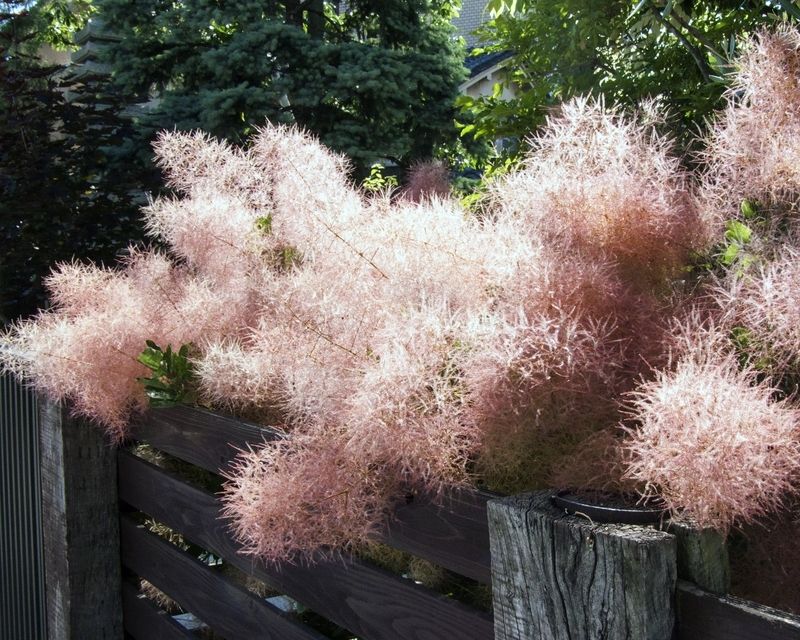
Smoke bush trees are a beautiful and versatile addition to any garden. With their delicate, feathery flowers that resemble puffs of smoke, smoke bushes can add a touch of elegance and whimsy to any landscape. They are also relatively easy to care for, making them a good choice for even novice gardeners.
If you are interested in learning more about smoke bush trees, I recommend visiting the website Garden Wiki. This website has a wealth of information about smoke bushes, including their history, care requirements, and varieties. You can also find photos and helpful articles on how to plant, grow, and prune smoke bushes.
I hope you enjoy learning more about smoke bush trees!
FAQ of smoke bush tree
1. Why is it called smoke tree?
The smoke tree is called so because of the airy, smoky pink to pink-purple hairs on the spent flower clusters that give the tree a hazy, smoke-like puffy appearance. These hairs are actually the fruits of the tree, which are small and dry.
2. What are the different types of smoke bush trees?
There are over 20 different species of smoke bush trees, but the most common ones are:
- Cotinus coggygria, also known as the common smoke bush or purple smoke bush
- Cotinus obovatus, also known as the American smoke bush or flowering smoke bush
- Cotinus coggygria 'Royal Purple', a cultivar of the common smoke bush with deep purple foliage
- Cotinus coggygria 'Grace', a cultivar of the common smoke bush with pink-purple foliage
- Cotinus coggygria 'Golden Spirit', a cultivar of the common smoke bush with yellow foliage
3. How do I care for a smoke bush tree?
Smoke bush trees are relatively easy to care for. They prefer full sun and well-drained soil. They are drought-tolerant and can tolerate some heat and humidity. Smoke bush trees do not need to be pruned regularly, but they can be pruned to shape or control their size.
4. What are some common problems with smoke bush trees?
The most common problems with smoke bush trees are:
- Powdery mildew: This is a fungal disease that can cause white, powdery spots on the leaves. It is most common in humid climates.
- Aphids: These small, sap-sucking insects can cause leaves to curl and yellow.
- Scale insects: These small, armored insects can feed on the sap of leaves and stems. They can cause leaves to drop and stems to die.
5. Where can I buy a smoke bush tree?
Smoke bush trees are available at most garden centers and online retailers. When buying a smoke bush tree, choose one that is healthy and has no signs of pests or diseases.
Image of smoke bush tree
Here are 5 images of smoke bush tree from Pinterest:
- Smoke bush tree in full bloom. The smoke bush tree is known for its beautiful, delicate flowers that bloom in shades of white, pink, and purple.
- Smoke bush tree in fall. The smoke bush tree also has beautiful fall foliage, which turns shades of orange, red, and yellow.
- Smoke bush tree as a hedge. The smoke bush tree can be pruned into a hedge, which provides privacy and beauty in the landscape.
- Smoke bush tree as a specimen plant. The smoke bush tree can also be used as a specimen plant, which can add a touch of elegance to any garden.
- Smoke bush tree in a pot. The smoke bush tree can also be grown in a pot, which makes it a versatile plant that can be enjoyed in a variety of settings.
Post a Comment for "The Smoke Bush Tree: A Versatile And Beautiful Addition To Your Garden"